 Location: West Africa
Population: 236.7 million
Capital: Abuja
Geography: Tropical rainforest and plateaus, cut through by the Niger River
Language: English, Hausa, Igbo, Yoruba
Signature flavours: Chicken, beef, beans, rice, tomato, onion, thyme, plantain, hot peppers
The Menu
Nigeria’s culinary tradition is vast and diverse, a nod to the various peoples that live there. In many ways, it exemplifies West African food — with corn, peanuts, beans, squash, and leafy greens at the heart of many meals. Unlike some its is neighbours, though, Nigeria plates up food that is often richly spiced, adding heat and bold flavour to its culinary signature.
Fish Pepper Soup: A fiery-hot soup with chunks of juicy fish and succulent shrimp.
Prep and cooking time: 60 min
Difficulty: 2/5
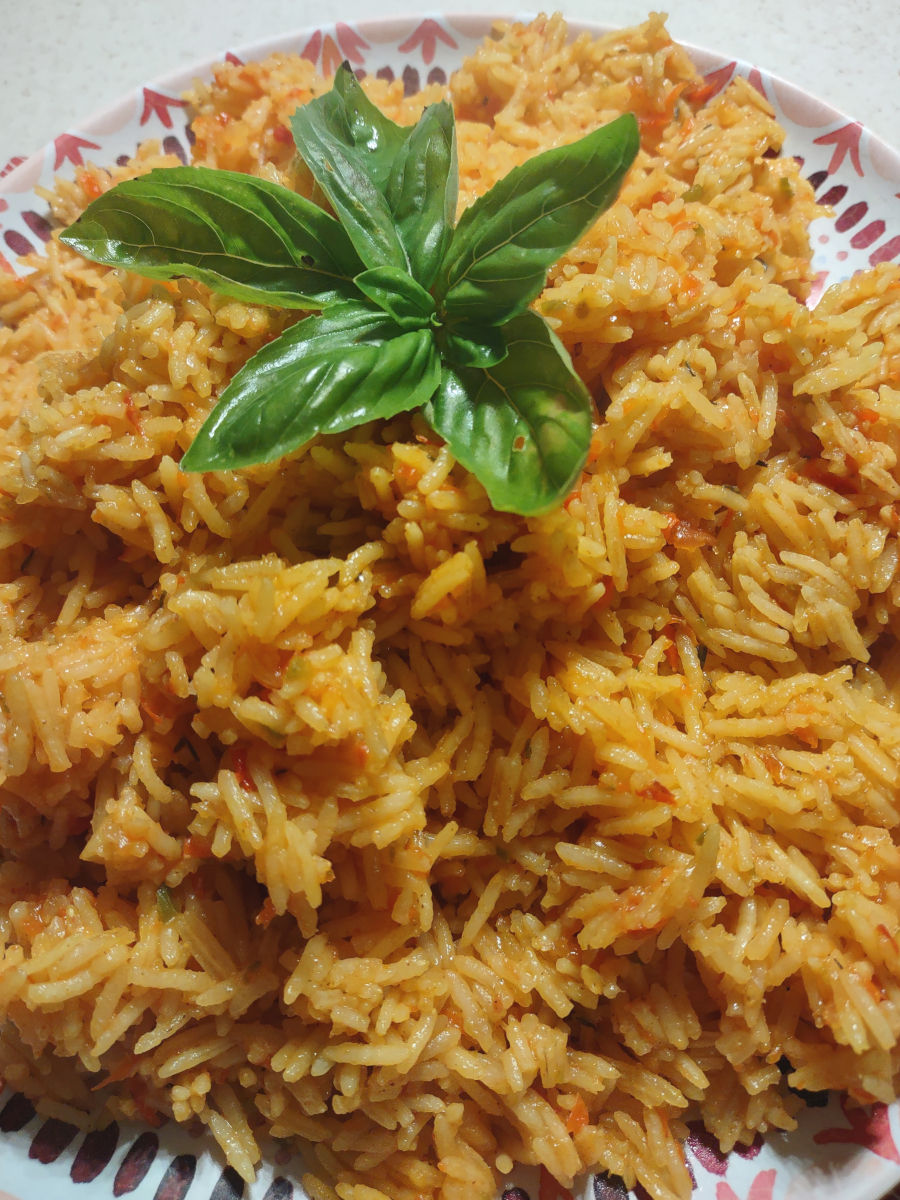
Jollof: A quintessential West African rice dish flavoured with tomatoes, peppers, garlic, and spices.
Prep and cooking time: 40 min
Difficulty: 2/5
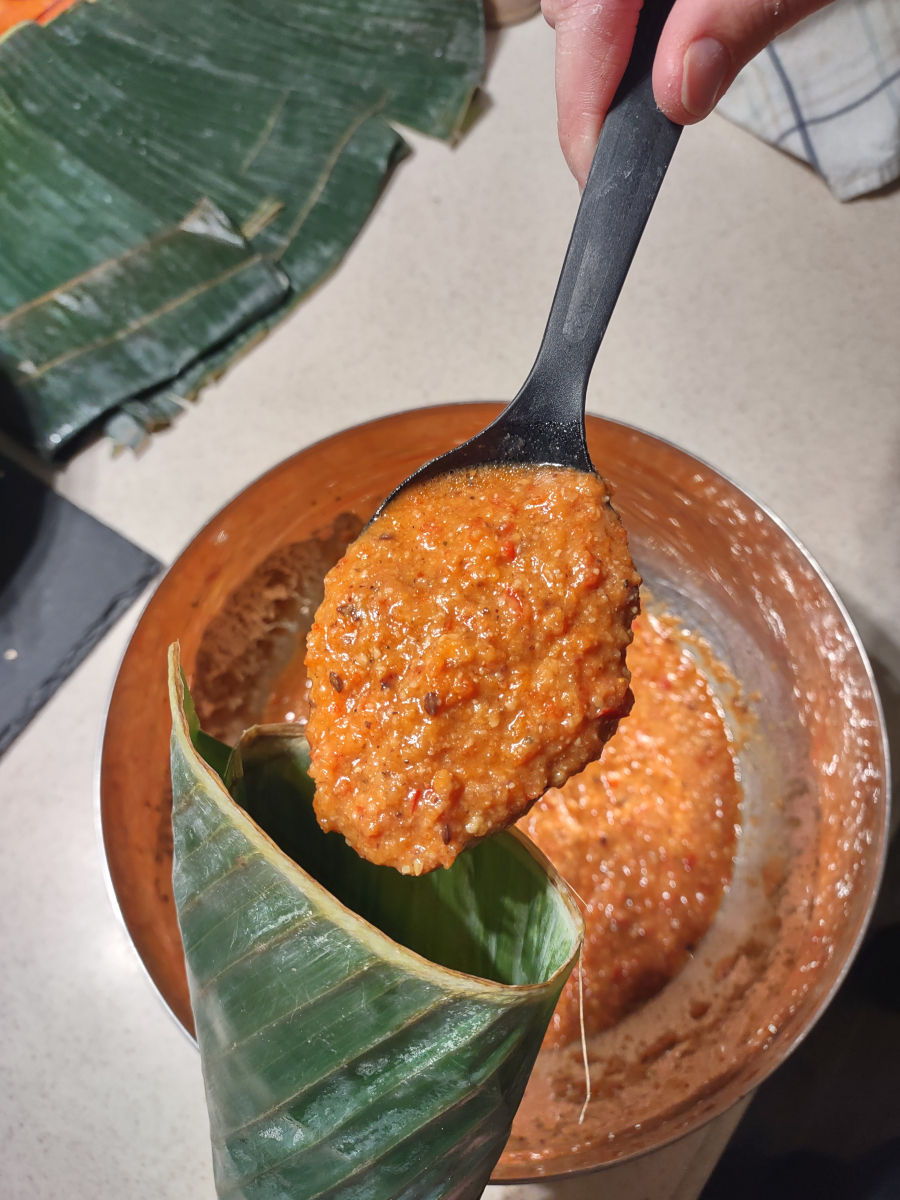
Moi Moi: Nigeria’s answer to the tamale — a bean, onion, and pepper paste steamed (in leaves or tins) until doughy — typically topped with shrimp or egg. (I’m not going to lie…I chose to make this dish because we have a cat named Moi.)
Prep and cooking time: 90 min
Difficulty: 3/5

Igbotic Pie: A hand-pie made with a plantain-based dough and filled with beans, fish, onion, and chili pepper.
Prep and cooking time: 60 min
Difficulty: 3/5
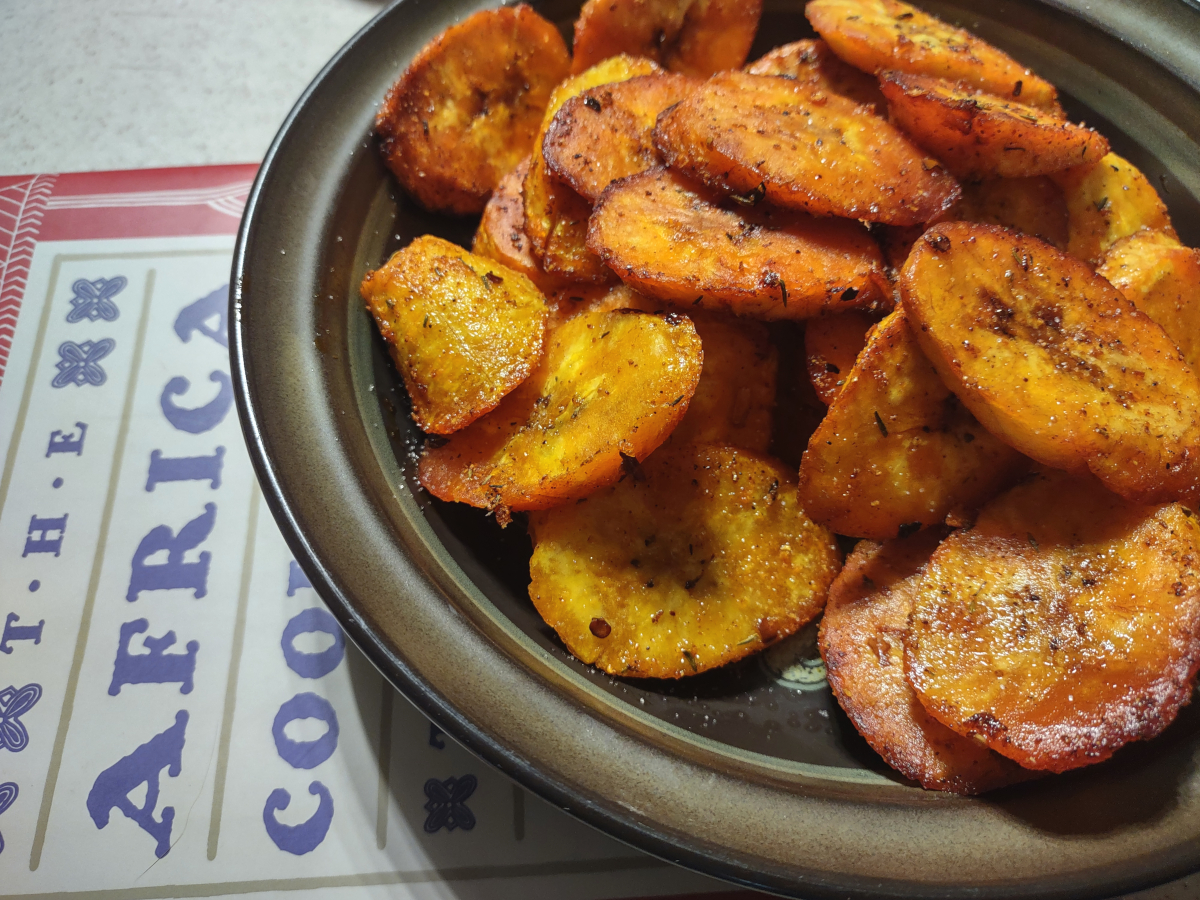
Fried Plantains: Medium-ripe plantains, dredged in spices and pan fried in oil.
Prep and cooking time: 15 min
Difficulty: 1/5
The Shopping List
Just last month, our nearest town got a West African store! It’s not very big, but it had a few things I was thrilled to find, included dried prawns, palm oil, and frozen stockfish. A new supermarket with a decent selection of international foods has also just opened, and there I found a variety of hot peppers, and everything else I needed.
The Meal
I had a lot of fun in the kitchen during this assignment. I had a banging playlist on as I went about chopping, sautéing, kneading, folding, and frying. The moi moi was the most challenging dish. Anything I’ve had to fold into leaves (Taiwanese bah-tzang comes to mind) has tested my dexterity and patience. There was plenty of moi moi filling on the counter and on me by the time I’d finished folding and layering a dozen or so bundles for steaming. Nothing else gave me too much trouble, and I was plating up the feast shortly after 7pm.
We started our meal with slurps of spicy pepper soup. I had gone a little easier on the hot peppers than the recipe suggested, but the soup still had a nice heat. I ended up dipping my Igbotic pie (pure West African comfort food) into the steaming broth.
We’ve made jollof for the blog before, it being so central to the cuisine of the region, but this particular jollof was my favourite. The rice was perfectly tender and fluffy, with an incredible tomato and garlic flavour.
The moi moi could have used a bit less water in the filling to make it firm up more, but even so, it tasted great. I love beans, and this is basically steamed bean paste with spice.
The surprising standout was the plantains. We enjoy plantains all the time in the style that Eric grew up eating — twice fried green plantains, dipped in sauce. These were less crispy than those, but twice as flavourful. Just a bit browner than semi-ripe (plantains can be eaten at any stage in ripeness), these had a sweetness that complemented the salt and spice that they were dredged in before frying. We gobbled them up, already talking about making them again.
All in all, it was a great meal — fun to make and even more fun to eat!
Links
The Africa Cookbook by Jessica B. Harris
https://www.vegannigerian.com/2013/02/jollof-rice.html
https://www.youtube.com/watch?v=ffbvraJOmWU&t=485s
https://www.youtube.com/watch?v=LEGIFCbfYF4
Disclaimer: I’m not a professional chef. I’m just a passionate cook with a curiosity for flavours I’ve never tried. For great recipes from gifted local cooks, follow the links above.
Feature image photo credit: Flickr account go2net
 Wooden Spoon Wanderer