 Location: The southernmost end of the African continent
Population: 62 million
Capital: Pretoria, Cape Town, Bloemfontein
Geography: Mostly plateau with some mountainous areas, desert, and coastal areas
Language: Afrikaans, English, Ndebele, Sepedi, Sesotho, Setswana, South African Sign Language, Swazi, Tshivenda, Xhosa, Xitsonga, Zulu
Signature flavours: Beef, pork, chicken, seafood, bush meat, dairy, corn, rooibos
The Menu
South Africa is known for braai, a style of barbecue. Because I’m a pescatarian, Eric considered how he might make braai accessible to our table, but didn’t find any options that felt close enough to the traditional boerewors (a kind of sausage) or biltong (a kind of jerky), so he shifted his focus to non-braai dishes, and what he ended up with was, he felt, a good culinary sample from the Rainbow Nation (South Africa boasts a multiethnic population that includes many culinary traditions).
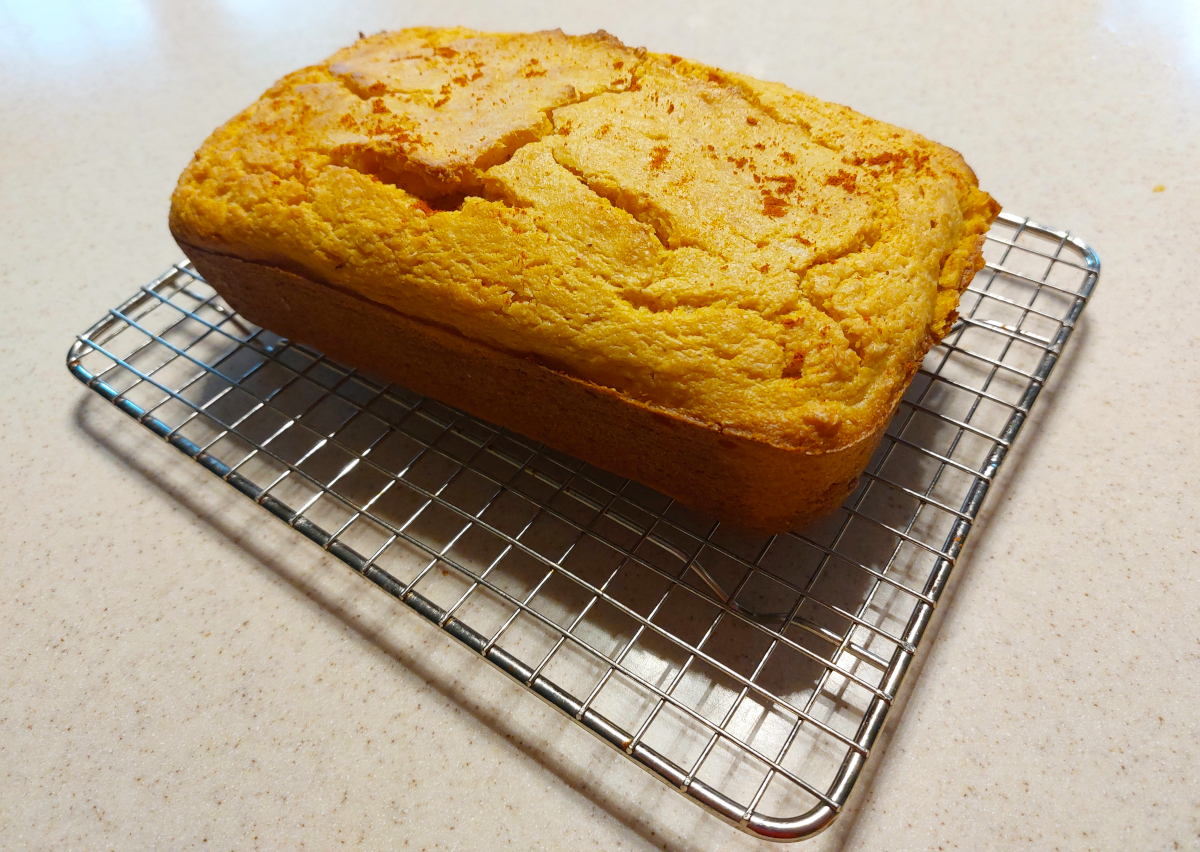
Mealie Bread: A loaf very similar in style to North American cornbread. Crusty on the outside and soft and most inside, with a paprika topping, it is a common side for meat dishes.
Prep and cooking time: 60 min
Difficulty: 2/5
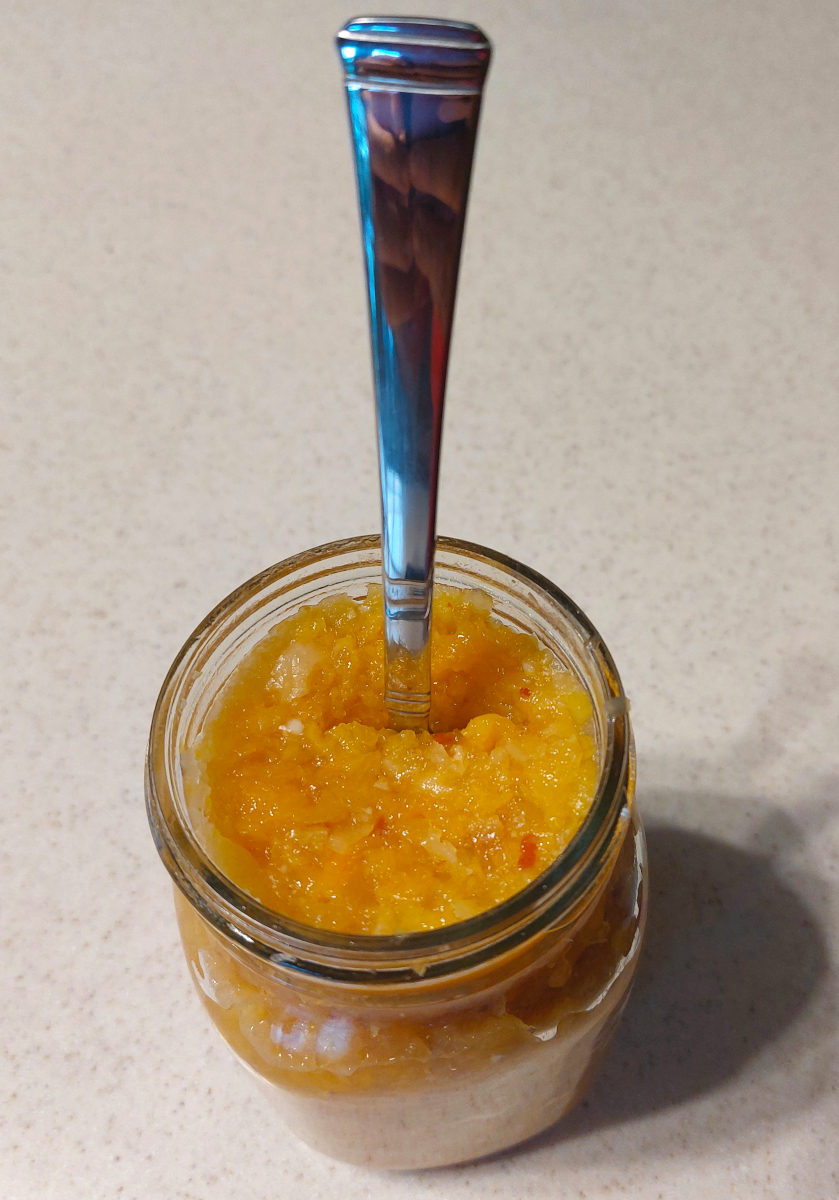
Blatjang: Apricot, red onion, and chili chutney often served with bobotie. It has its origins in Cape Malay communities and has become a South African staple.
Prep and cooking time: 60 min
Difficulty: 2/5
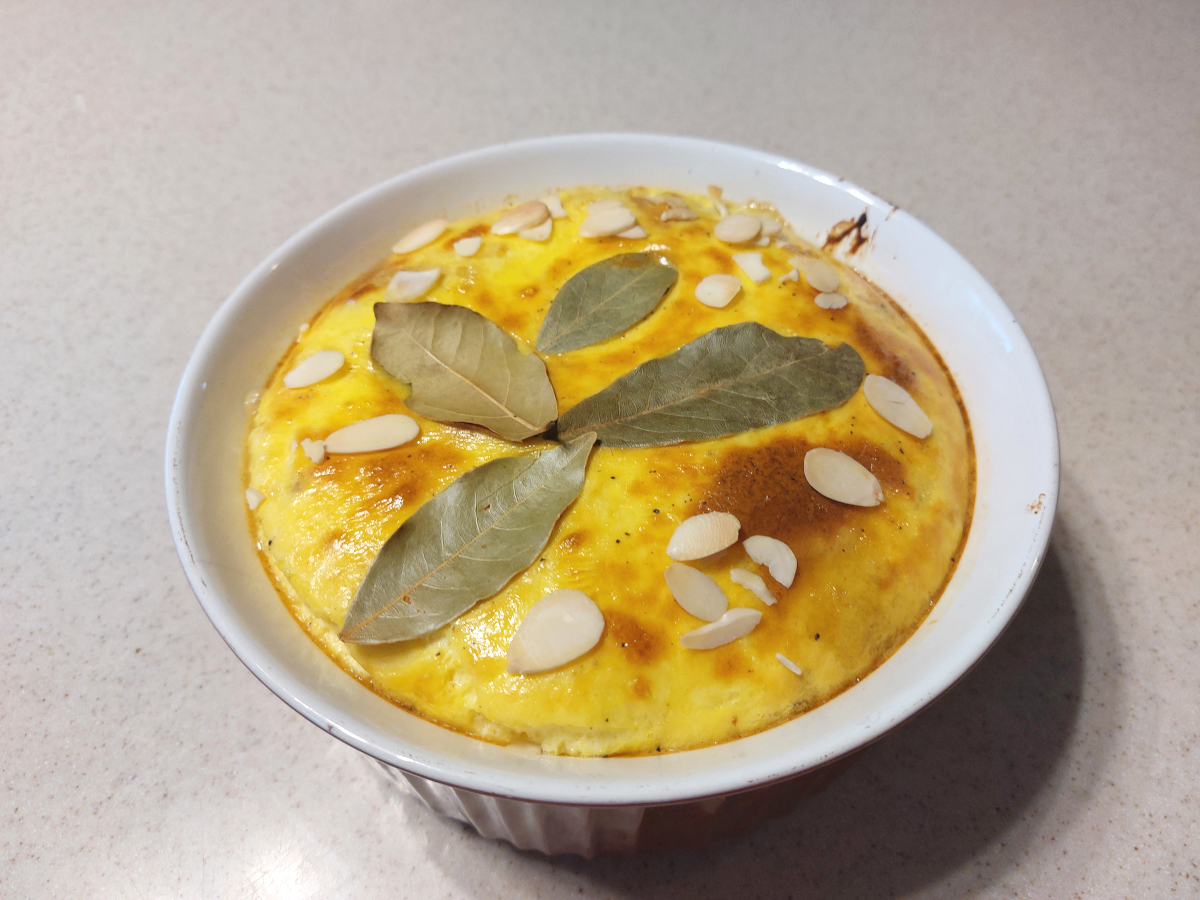
Fish Bobotie: A casserole of curried fish, onion, and raisins, heaped with a fluffy egg topping. It is one of the country’s better-known dishes, though is usually made with beef instead of fish (we have since made it again with ground soy beef and it was equally good).
Prep and cooking time: 60 min
Difficulty: 3/5

Sousboontjies: A Boer side dish, served either hot or cold, consisting of sweet and vinegary beans cooked until very soft.
Prep and cooking time: 2 hours plus soaking time
Difficulty: 2/5

Soetkoekies: Something between a sugar cookie and a shortbread, often cut into flower shapes and served at teatime.
Prep and cooking time: 45 min
Difficulty: 2/5
Rooibos Tea: Meaning “red bush,” this earthy tea is popular throughout the southern region of the African continent.
Prep and cooking time: 5 min
Difficulty: 1/5
The Shopping List
Eric found everything he needed at our local supermarket (even the brown malt vinegar needed for the sousboontjies was found in the British aisle) and bulk store. Unable to find hake for the bobotie, he opted for cod.

The Meal
The prevalent aroma in the house as Eric cooked was the spice mixture in the bobotie — curry, allspice, ginger and garam masala. I came to the table eagerly when he announced it was all ready, and marvelled at the dishes spread before us: yellow mealie bread, the perfect, golden dome of the bobotie, pretty flower cookies stacked on a glass plate.
The bread, which we ate with blatjang and scoops of the bobotie was moist and sweet. In fact, most of the dishes has a sweetness to them, including the bobotie, with its fat sultana raisins. The egg was supper fluffy and the fish was incredibly flavourful.
The beans (sousboontjies) were a surprising dish, sweet and sour, hearty and earthy and soft. Eric served them cold, but we both enjoyed them better the next day, warmed up alongside the rest of the leftovers.
The cookies were delicate and buttery, perfect to accompany the grassy tones in the steaming cups of rooibos.
Links
https://steemit.com/food/@sweetpea/traditional-south-african-mealie-bread
https://www.bbcgoodfood.com/recipes/apricot-blatjang
https://www.seaharvest.co.za/recipe/fish-bobotie/
https://taste.co.za/recipes/sousboontjies/
Disclaimer: I’m not a professional chef. I’m just a passionate cook with a curiosity for flavours I’ve never tried. For great recipes from gifted local cooks, follow the links above.
 Wooden Spoon Wanderer