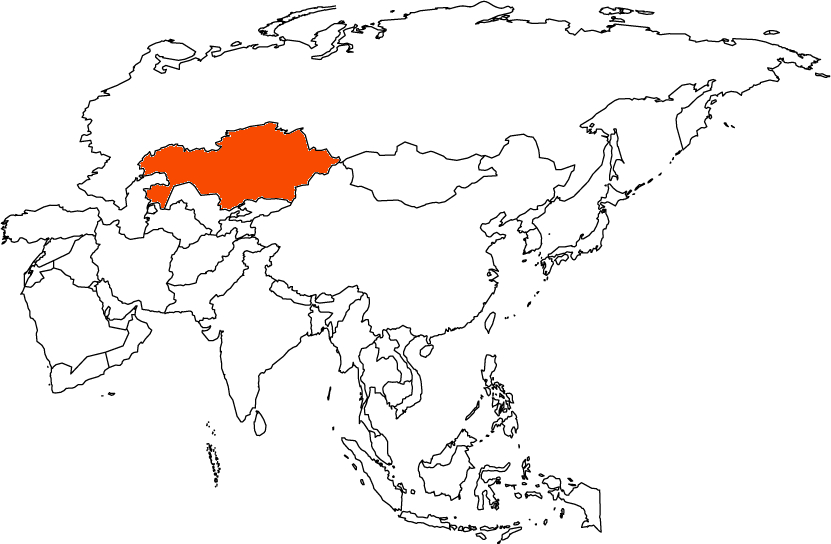
Location: Central Asia with a small area in Eastern Europe
Population: 20 million
Capital: Astana
Geography: Plateaus and plains cover this largest landlocked country
Language: Kazakh, Russian
Signature flavours: Horse, sheep, beef, tea, dairy (from horse, cow, camel, and goat), bread, onion
The Menu
I really like assignments that take me on a culinary journey far beyond what is familiar to me, and so when Kazakhstan came up as my next Wooden Spoon Wanderer destination, I was excited to get started. Right off the bat, I realized that sourcing traditional ingredients was going to be next to impossible for this assignment, and that I would be making substitutions for my pescatarian diet.
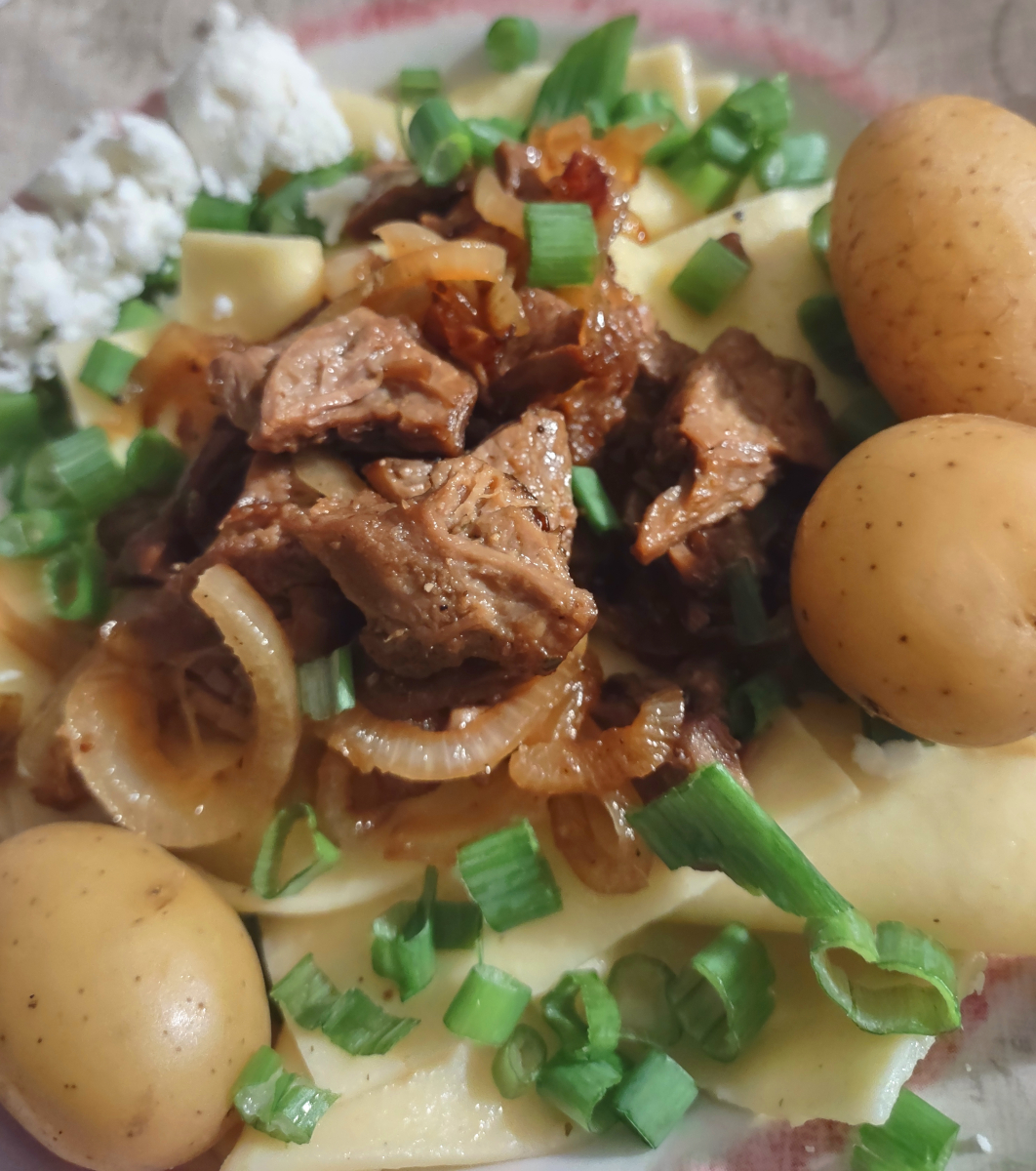
Beshbarmak: Wide noodles served with (horse) meat, potato, onion, and cheese in a mild beef broth.
Prep and cooking time: 45 min
Difficulty: 2/5
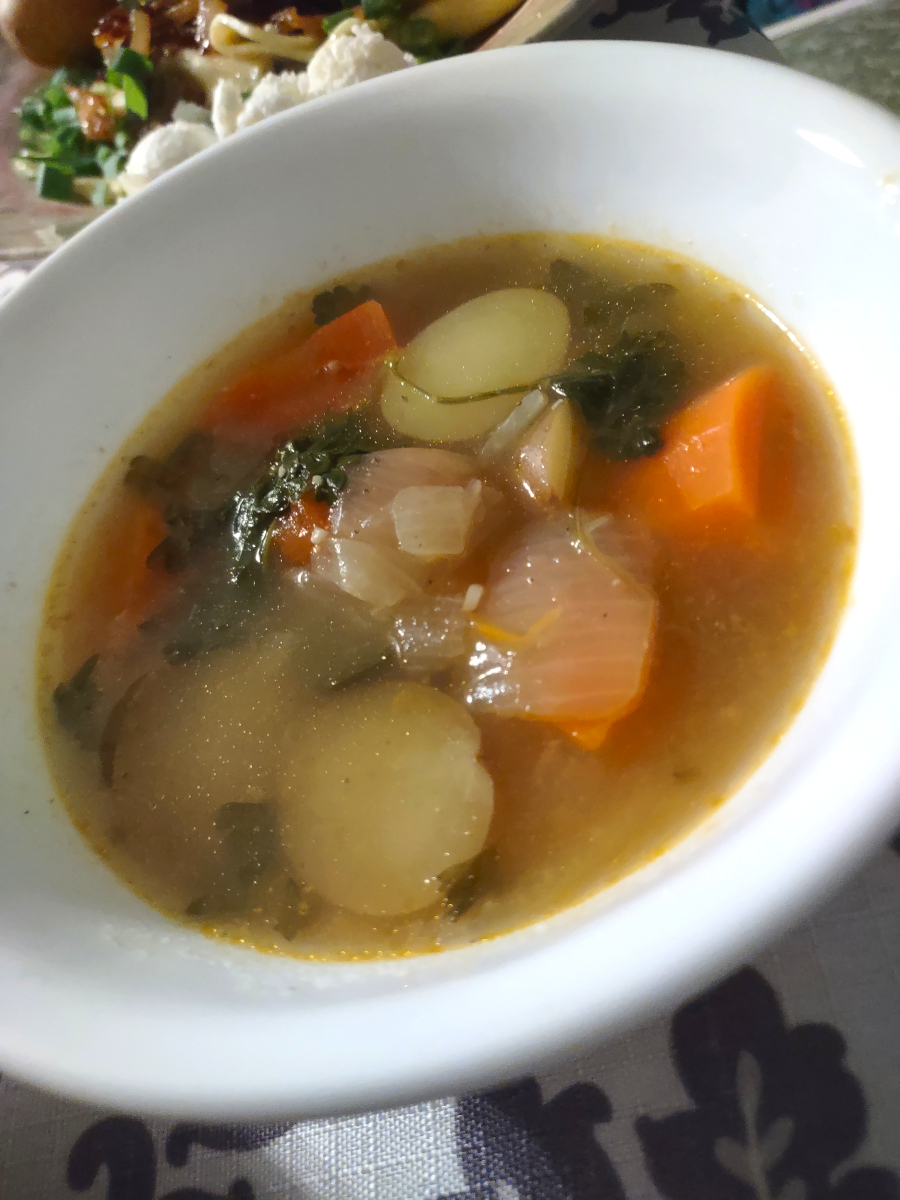
Sorpo: A soup made from leftover beshbarmak broth, with potatoes and carrots.
Prep and cooking time: 20 min
Difficulty: 1/5
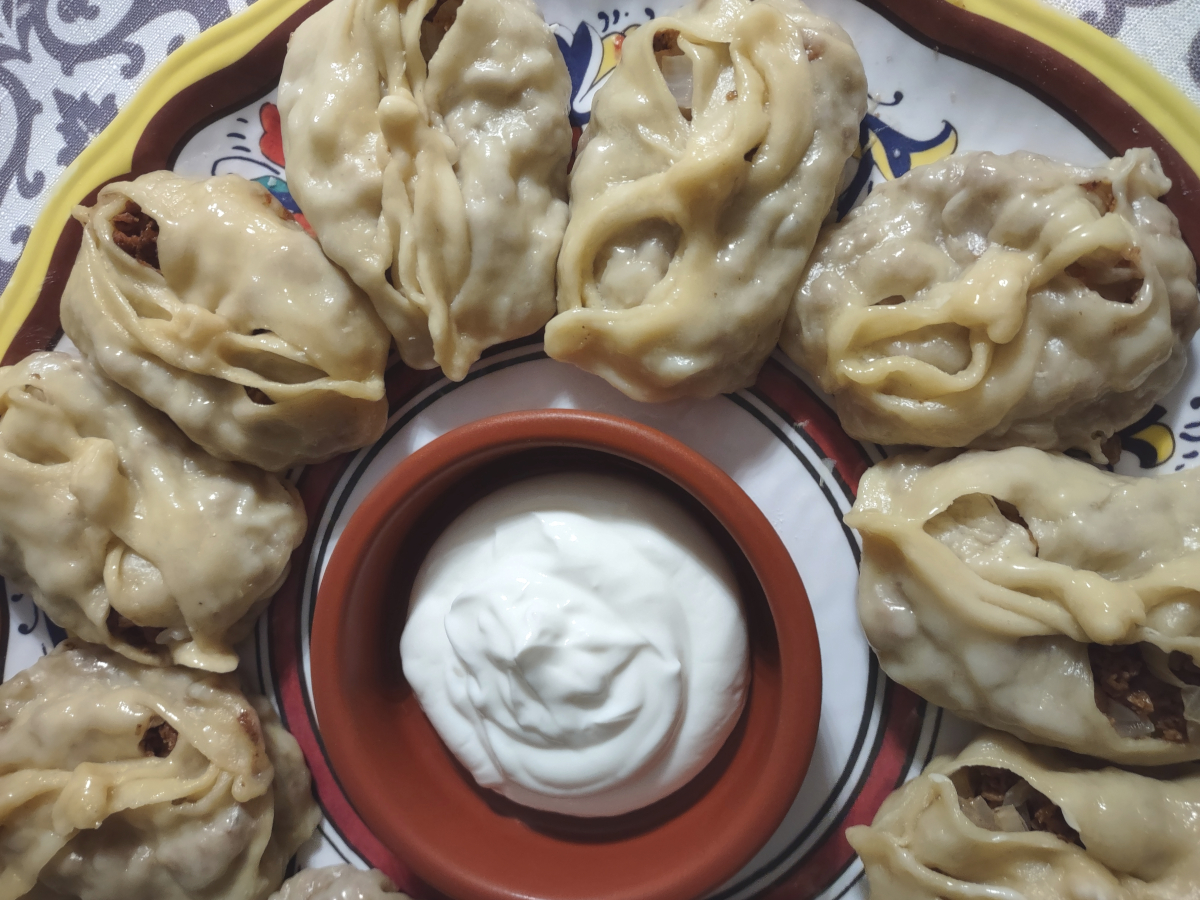
Mänti: Steamed meat and onion dumplings topped with butter.
Prep and cooking time: 90 min
Difficulty: 3/5
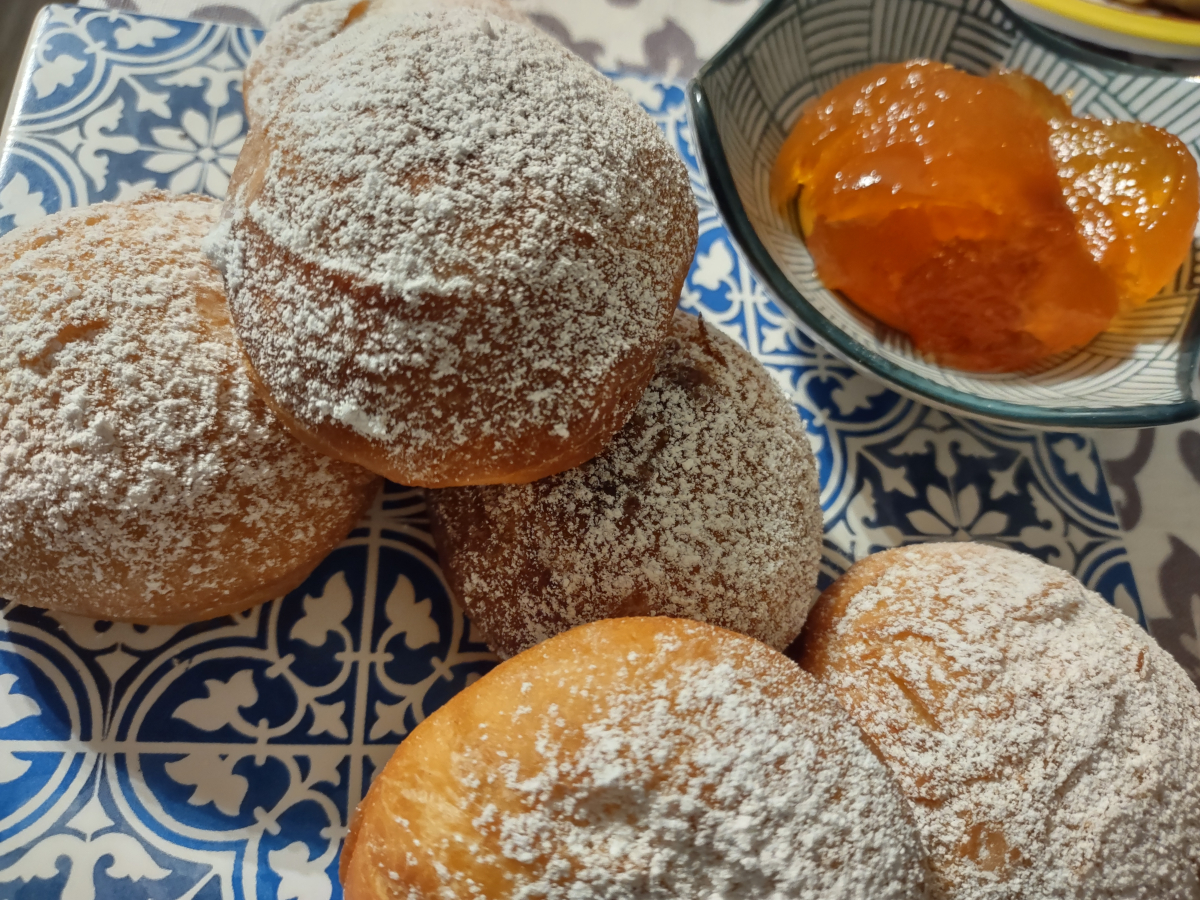
Baursaki: Fried dough served as a sweet or as an accompaniment to savoury dishes. I served my “Kazakh donuts” with jam along with our tea.
Prep and cooking time: 90 min
Difficulty: 2/5
Qymyz: Mare’s milk — the most popular beverage in Kazakhstan — was not available in Ontario, but my research said kefir makes an acceptable alternative.
Prep and cooking time: N/A
Difficulty: N/A
Tea: Black tea and milk, made popular after being introduced to Kazakhstan from China in the 16th century, and now enjoyed with every meal.
Prep and cooking time: 5 min
Difficulty: 1/5
The Shopping List
Due to the substitutions I settled on, my ingredient list did not include horse meat or mare’s milk, so everything I needed could be found at my local supermarket.
The Meal
I had this sense, reading the recipes and planning the meal preparation, that everything was going to go well. I’ve had this sense before, and it’s accuracy is probably 50/50. This time, it was right. The cooking flowed, nothing was rushed, and I sang and danced around the kitchen as I’m apt to do when an assignment is going well.
I laid out a table I was really proud of, and called Eric in to eat. We started with sips of sour kefir, and moved right onto the steaming plates of beshbarmak. I read online reviews of this dish that said it was “inelegant but edible.” I find elegance is often filtered through Western ways of knowing, and I felt this must be the case with this dish, because I did find an elegance in the wide, buttery noodles, the soft flavours of the vegetable broth, the sweet and peppery meat and onions. I loved beshbarmak, and Eric and I plan to make it again soon, such was our enormous enjoyment of it.
The sorpo, a way to use up leftover beshbarmak, was a soup the likes of which has graced nearly every kitchen on earth at some point or another, probably on a cool day.

The mänti demanded of me a dexterity with dough that comes from a lifetime of making dumplings. I am still very much a dumpling neophyte, and if the result was an inelegant dumpling, the fault was entirely mine. Looks aside, though, the mänti were delicious.
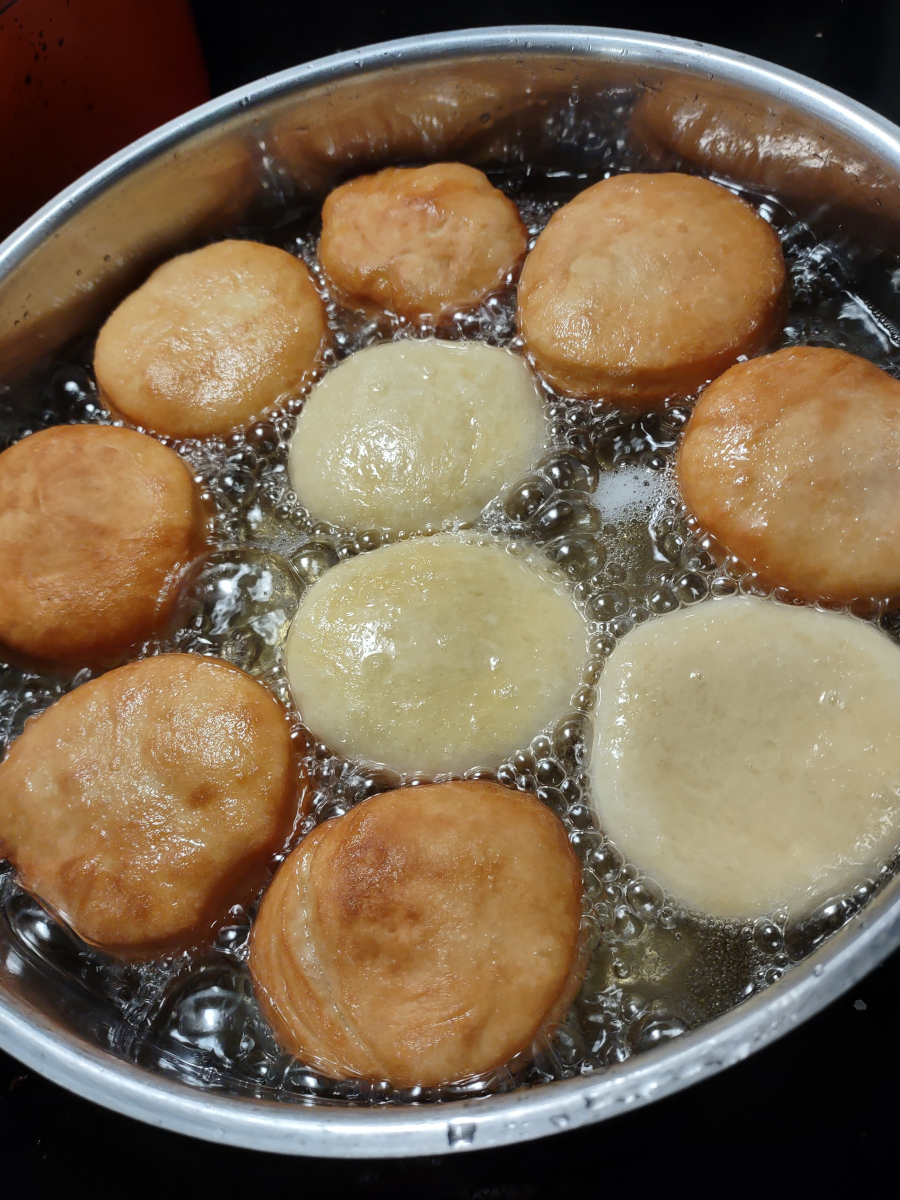
We ended our meal with tea and baursaki. These fluffy, sugared orbs were heavenly — pillowy on the inside, with just a touch of toasty-ness on the outside. I worried my cold Ontario kitchen would prevent them from rising as much as they should, but my fears were unfounded — they turned out perfectly.
Links
https://foodperestroika.com/2015/11/09/beshbarmak-kazakhstans-national-dish/
https://www.youtube.com/watch?v=DjmXyTzw8A4
https://www.youtube.com/watch?v=UuFf_XqTXRw
Disclaimer: I’m not a professional chef. I’m just a passionate cook with a curiosity for flavours I’ve never tried. For great recipes from gifted local cooks, follow the links above.
 Wooden Spoon Wanderer